
Educational & Medical Disclaimer
The information provided regarding Ginger (Zingiber officinale): Clinical Benefits, Active Gingerols & Safety Precautions is for educational and general wellness purposes only. It does not replace professional medical diagnosis, clinical consultation, or licensed prescribing. Always speak to a qualified doctor before starting any herbal regimen, particularly if taking prescription medications, pregnant, or managing chronic conditions.
Ginger (Zingiber officinale): Comprehensive Botanical Guide
Ginger is one of the most widely used rhizomes in both modern clinical phytotherapy and traditional global medicine. Its key bioactive constituents—gingerols and shogaols—exert documented anti-emetic and anti-inflammatory properties.
Documented Pharmacological Actions
- Gastrointestinal Motility: Accelerates gastric emptying and eases nausea through 5-HT3 receptor antagonism.
- Anti-Inflammatory: Modulates COX-2 and 5-lipoxygenase enzyme expression, reducing prostaglandin synthesis.
Clinical Cautions & Herb-Drug Interactions
[!WARNING] Anticoagulant Risk: High doses of ginger possess mild antiplatelet activity. Patients taking Warfarin, Aspirin, or Clopidogrel should consult a doctor before consuming concentrated extracts.
Recommended Administration
For general digestive comfort, 1 to 2 grams of ground dried rhizome infused in hot water daily is well tolerated.
Have a question about this guide?
Connect with clinical reception for general inquiries or schedule a formal doctor consultation.
Related health guides
Moringa oleifera: Nutritional Density, Bioavailability & Clinical Pearls
A clinical evaluation of Moringa leaf powder as a plant-based source of iron, polyphenols, and its mild hypoglycemic effects in metabolic health.
Hibiscus sabdariffa: Blood Pressure Support and Organic Acid Profiles
Understanding anthocyanins and organic acids in hibiscus calyces, ACE-inhibitory mechanisms, and why pregnant women must avoid consumption.
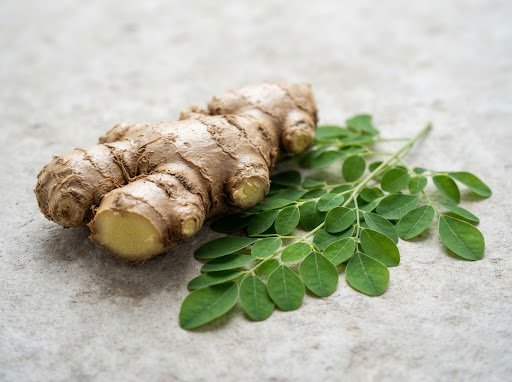
Everyday botanicals: ginger, turmeric and moringa, explained
Three pantry botanicals with the strongest everyday evidence — what each does, how to take them, and how they work together.